

logo
Send Inquiry
hamburger
Accounts:
Blogs

Top rated car rental in Dubai. Low prices, great deals, convenient pick-up, top-notch service!
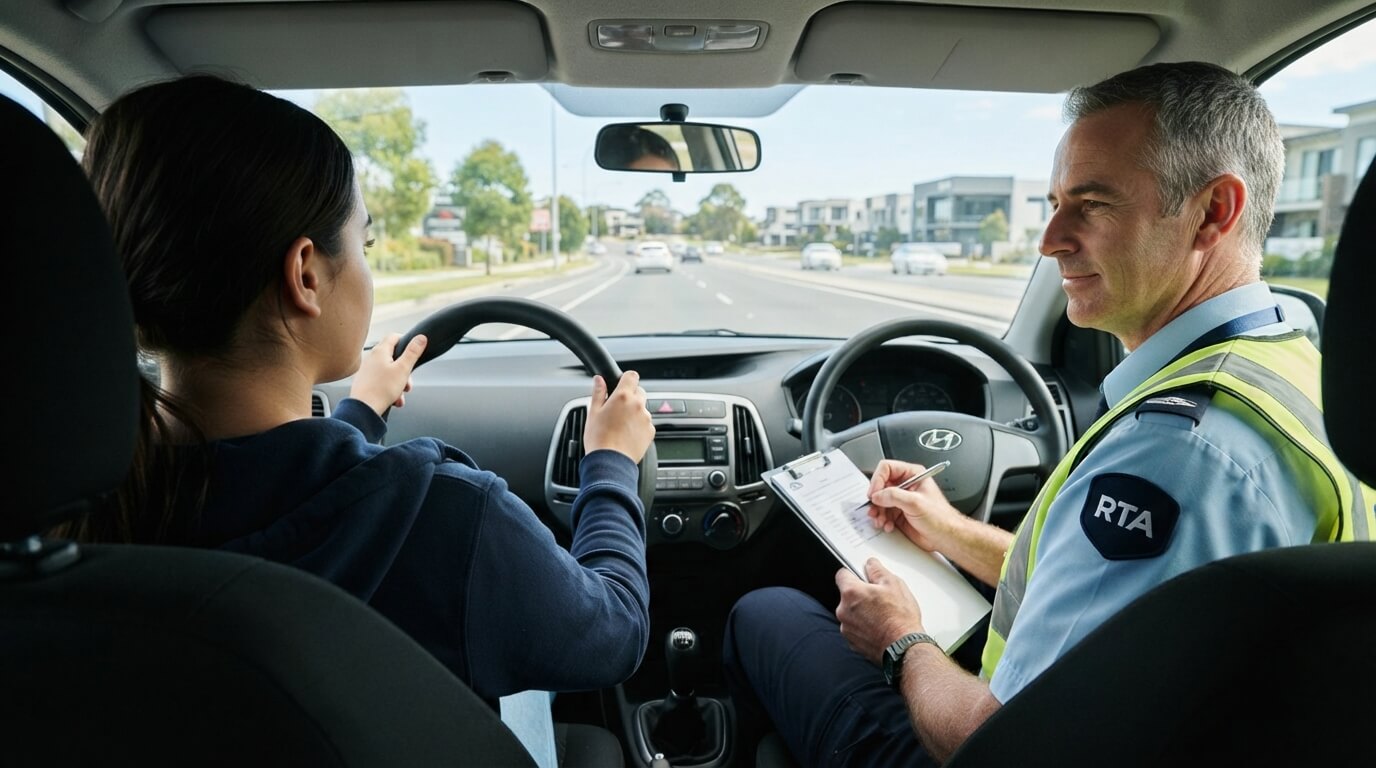
RTA Driving Test Tips
29 Jul 2026

RTA Driving Test Tips: Expert Advice to Pass on Your First Attempt

Passing the RTA driving test on your first attempt is a major milestone for anyone planning to drive in the UAE. While many learners worry about the test, success comes down to preparation, confidence, and understanding exactly what RTA examiners expect.

Whether you're taking your road test in Dubai for the first time or preparing after several practice sessions, this guide covers expert RTA driving test tips that will help you improve your chances of passing on your first attempt.


What Is the RTA Driving Test?

The RTA Driving Test is the final practical examination conducted by Dubai's Roads and Transport Authority (RTA) to assess whether a learner can drive safely, confidently, and independently.

During the test, the examiner evaluates your ability to:

  • Follow traffic rules
  • Control the vehicle smoothly
  • Make safe driving decisions
  • Handle different road situations
  • Demonstrate defensive driving skills

The practical test usually lasts 10 to 20 minutes, depending on traffic conditions and the testing route.


How Can You Pass the RTA Driving Test on the First Attempt?

The best way to pass the RTA driving test is to combine consistent practice with confidence and safe driving habits.

Here are the most effective tips.

1. Know the RTA Test Criteria

Many learners focus only on driving but forget to understand what examiners are actually marking.

The examiner checks whether you can:

  • Use mirrors correctly
  • Check blind spots
  • Maintain lane discipline
  • Follow speed limits
  • Obey traffic signs
  • Keep a safe following distance
  • Park correctly
  • Respond safely to hazards

Knowing these evaluation points helps you avoid unnecessary mistakes.

2. Practice Defensive Driving

The RTA values safe drivers more than fast drivers.

Always:

  • Scan the road ahead
  • Anticipate other drivers' actions
  • Keep enough distance
  • Avoid sudden braking
  • Stay alert at intersections
  • Drive smoothly

Defensive driving demonstrates maturity behind the wheel and leaves a positive impression.

3. Perfect Mirror Checks

One of the biggest reasons candidates fail is forgetting mirror observations.

Remember the Mirror-Signal-Manoeuvre (MSM) routine.

Always check:

  • Rear-view mirror
  • Left mirror
  • Right mirror
  • Blind spot before changing lanes

Examiners pay close attention to whether these checks are visible.


4. Never Forget Blind Spot Checks

Even if the road appears clear, you must physically turn your head before:

  • Changing lanes
  • Overtaking
  • Turning
  • Merging into traffic

Small head movements may not be noticeable to the examiner, so make your checks obvious without exaggerating them.


5. Maintain the Correct Speed

Driving too slowly can be as problematic as speeding.

Stay within the posted speed limit while adjusting appropriately for:

  • School zones
  • Pedestrian crossings
  • Roundabouts
  • Heavy traffic
  • Poor weather

Confident, steady speed control shows good judgement.


6. Follow Lane Discipline

Lane discipline is one of the easiest ways to gain or lose marks.

Always:

  • Stay centred in your lane
  • Avoid drifting
  • Change lanes only when necessary
  • Signal before moving
  • Check mirrors first

Avoid last-minute lane changes.


7. Master Parking Techniques

Parking is an essential part of the practical test.

Practice:

  • Parallel parking
  • Angle parking
  • Garage parking
  • Hill parking (if applicable)

Focus on accuracy rather than speed.


8. Stay Calm During the Test

Nervousness causes many avoidable mistakes.

Before your test:

  • Get adequate sleep.
  • Arrive early.
  • Take a few deep breaths.
  • Listen carefully to the examiner.
  • Drive as you practised.

Confidence improves your decision-making and vehicle control.


9. Use Indicators Correctly

Always signal before:

  • Turning
  • Changing lanes
  • Exiting a roundabout
  • Pulling away
  • Parking

Signal early enough to inform other road users but avoid signalling too soon, which can confuse traffic.


10. Obey All Traffic Signs

Examiners expect complete compliance with road signs.

Pay close attention to:

  • Stop signs
  • Give Way signs
  • Speed limits
  • School zones
  • One-way roads
  • No-entry signs

Missing a stop sign is one of the quickest ways to fail.


11. Keep Both Hands on the Steering Wheel

The recommended steering position is approximately 9 and 3 o'clock.

Avoid:

  • Driving with one hand
  • Crossing hands excessively
  • Oversteering
  • Sudden steering movements

Smooth steering reflects better control.


12. Watch for Pedestrians

Always give way to pedestrians at designated crossings.

Slow down near:

  • Schools
  • Residential areas
  • Parking exits
  • Shopping centres

Pedestrian safety is a key part of defensive driving.


13. Follow Safe Following Distance

Maintain at least a two-second gap behind the vehicle ahead under normal conditions.

Increase the gap during:

  • Rain
  • Fog
  • Heavy traffic
  • Night driving

Tailgating is viewed as unsafe driving.


14. Understand Roundabout Rules

Roundabouts often challenge new drivers.

Remember to:

  • Slow down when approaching.
  • Give way where required.
  • Stay in the correct lane.
  • Signal when exiting.
  • Check mirrors before leaving the roundabout.

Practising roundabouts repeatedly builds confidence.


15. Listen Carefully to the Examiner

The examiner will provide clear instructions.

If you do not hear something, politely ask for clarification instead of guessing.

Following instructions calmly demonstrates good communication and safe driving behaviour.

Common Reasons Candidates Fail the RTA Driving Test

Understanding common mistakes can help you avoid them.

Typical reasons include:

  • Not checking mirrors
  • Ignoring blind spots
  • Poor lane discipline
  • Rolling through stop signs
  • Incorrect parking
  • Speeding
  • Driving too slowly
  • Late signalling
  • Harsh braking
  • Lack of confidence
  • Unsafe lane changes
  • Following too closely

Avoiding these errors significantly improves your chances of success.


What Should You Do Before the Test?

Preparation starts well before the examiner enters the vehicle.

Checklist

  • Carry all required documents.
  • Sleep well the night before.
  • Eat a light meal.
  • Arrive at least 20–30 minutes early.
  • Wear comfortable clothing and suitable footwear.
  • Stay hydrated.
  • Complete a short warm-up drive if possible.

Good preparation reduces stress and improves concentration.

Frequently Asked Questions

Is the RTA driving test difficult?

The RTA driving test is not difficult if you have practised consistently and understand safe driving principles. Most failures occur because of avoidable mistakes rather than a lack of driving ability.


How long is the RTA road test?

The practical road test typically lasts between 10 and 20 minutes, depending on traffic conditions and the testing route.


Can I fail for one mistake?

Yes. Serious safety violations such as ignoring a stop sign, causing danger to other road users, or failing to observe traffic rules can result in an immediate failure. Minor mistakes may not automatically lead to failure if your overall driving remains safe.


What should I wear for the RTA driving test?

Wear comfortable clothing and closed-toe shoes that allow proper control of the pedals. Avoid footwear that may slip or restrict movement.


How many lessons should I take before the RTA test?

The required number of lessons depends on your previous driving experience and your driving school's assessment. Follow your instructor's recommendation and continue practising until you feel confident in all tested skills.


Final Thoughts

Passing the RTA driving test on your first attempt is achievable with the right preparation, consistent practice, and a calm mindset. Focus on safe driving rather than trying to impress the examiner. Perform clear mirror and blind spot checks, maintain proper lane discipline, obey traffic signs, and stay aware of your surroundings at all times.

Remember that the examiner is assessing whether you can drive safely and responsibly in real-world conditions. By practising regularly, understanding the test criteria, and avoiding common mistakes, you can approach your RTA driving test with confidence and significantly increase your chances of earning your driving licence on the first attempt.